
Iowa Government Relations Attorney
Knowing how state government actually works, who to talk to, and when to raise an issue, can be as important as knowing what the rules say. An Iowa government relations attorney can give an organization a presence in and around the Capitol, built on years of firsthand experience with how the building operates. That representation can be especially useful for an organization that does not have the staff or time to track every relevant bill or agency action on its own.
Jefferson Fink has spent nearly a decade in and around the Iowa Capitol, beginning as a Senate Page and later a Senate intern, before going on to a law career focused on administrative and regulatory matters. That combination, agency-side experience paired with time inside the legislative process, is the foundation of this practice area.
What Government Relations Work Can Include
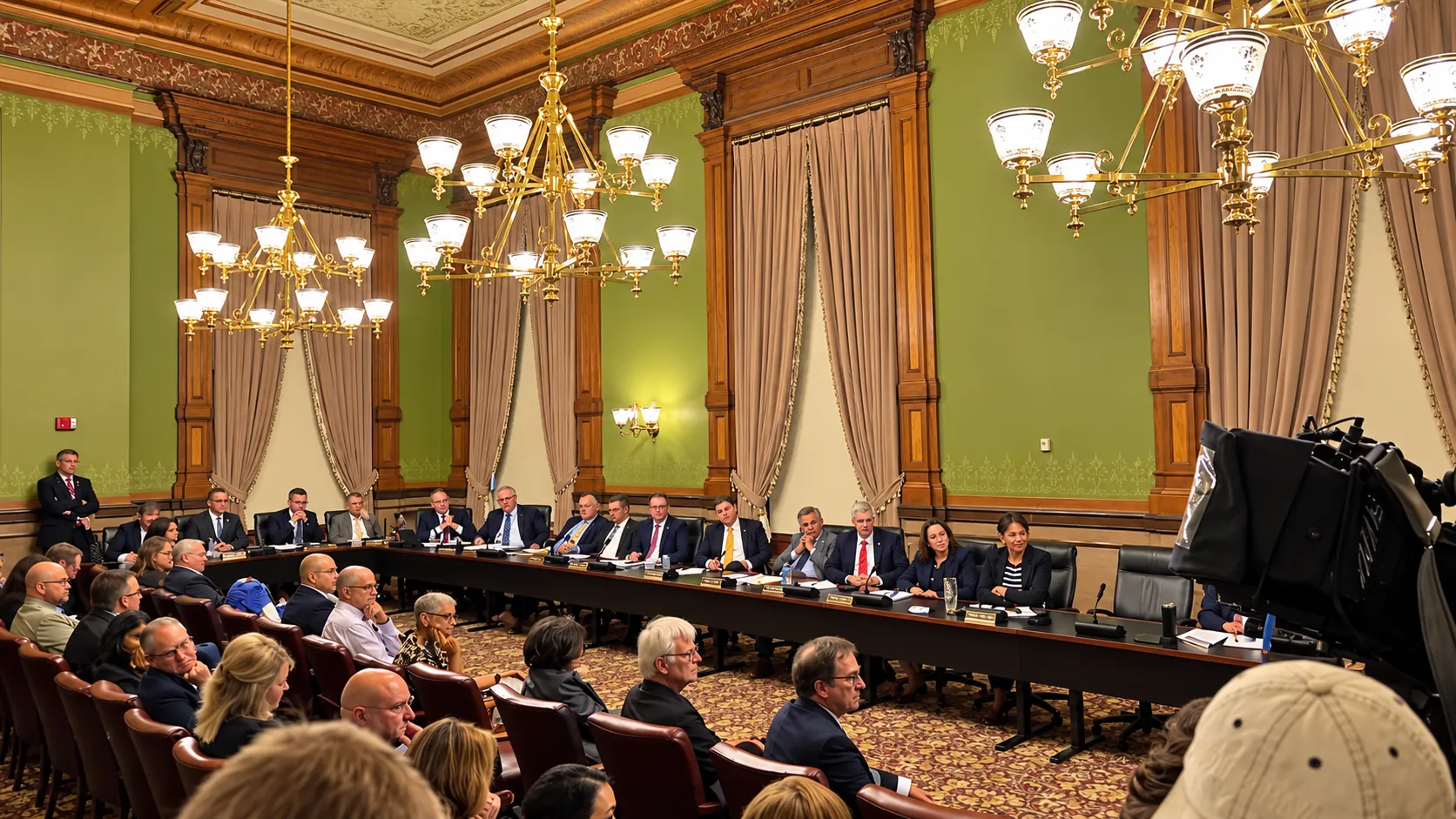
Government relations work is generally about representing an organization’s interests to state government on an ongoing basis, rather than around a single filing or hearing. It can include:
- Registered lobbying and legislative advocacy
- Strategic planning for associations and employers who need someone inside the process, not just watching it
Every organization’s needs are different, and government relations work can be shaped around what a particular association, employer, or group actually needs from its presence at the Capitol. That ongoing presence can mean different things depending on an organization’s size and how directly a given issue affects its members or operations, but the throughline is representation that continues across a legislative session rather than being limited to a single bill or hearing.
Why Firsthand Capitol Experience Can Matter
Understanding how a bill actually moves, and where a rule can still be shaped before it is finalized, tends to come from having spent real time inside that process. That kind of familiarity can help an organization figure out not just what to say, but when and to whom, which is part of what separates ongoing government relations representation from occasional, reactive outreach.
Relationships built over time at the Capitol, with both legislators and agency staff, tend to develop differently than contacts made only once a specific issue is already active, which is part of why an ongoing government relations presence is often approached differently than a single-issue engagement. Those same relationships can also help an organization get a faster read on how a proposal is likely to be received before committing significant time or resources to it.
How This Connects to Lobbying and Public Policy
Government relations and lobbying and public policy work closely together in this practice. Government relations tends to focus on an organization’s ongoing presence and relationships, while lobbying and public policy work can include more specific projects like bill drafting or tracking a particular piece of legislation. Many clients rely on both together, using an ongoing Capitol presence to stay informed and a specific legislative project when a particular bill needs direct attention.
An organization already working with this practice on administrative law or state agency matters may also find government relations useful, since agency rulemaking and legislative activity can move on parallel or overlapping timelines.
Who This Practice Serves
This practice represents associations, employers, and organizations based in Polk County, Linn County, Scott County, Johnson County, and Black Hawk County, as well as organizations throughout the rest of Iowa, since Capitol-focused work is not limited by where an organization’s offices happen to sit. The office also operates virtually, reaching all 99 Iowa counties, so an organization based in Cedar Rapids, Davenport, Iowa City, Waterloo, or Sioux City can be represented the same way as one based in Des Moines. That statewide virtual structure means an organization does not need a Des Moines address to have a consistent presence at the Capitol represented on its behalf.
Background Behind This Practice
Jefferson Fink’s path toward government relations work started early, as an Iowa Senate Page and later a Senate intern while still at Iowa State University, where an interest in how policy actually gets made took hold. He went on to pursue a Master of Arts in Political Science at Iowa State University alongside a Juris Doctorate at Drake University Law School, earning the Legislative Practice, Constitutional Law, and Civil Rights Certificates at Drake. His graduate thesis, “Law, Politics, and the Creation of Public Policy: How the Two Can Come Together and Create Better Public Policy,” reflects the same combination of interests this practice area is built around.
He is admitted to practice in the State of Iowa, including the Iowa Supreme Court and Iowa Court of Appeals, and pairs that legal background with direct experience inside the legislative process rather than viewing it only from the outside. That combination of legal training and direct Capitol experience is part of what this practice draws on when representing an organization’s interests there.
Start With a Conversation
Phone: (515) 720-9892
Email: law.fink@outlook.com